Author: Consultant

  • Federal budget 2023: Ottawa gives $20.9-billion over five years in tax credits to stay competitive with U.S. on clean economy spending

    The federal government is banking on a suite of new tax credits, a clean electricity grid and the carbon tax to spur the transition to a clean economy and counter vast subsidies rolled out by the United States that risk pulling capital south of the border.

    In its budget unveiled Tuesday, Ottawa announced $20.9-billion over five years, the majority of which will go to new investment tax credits for clean electricity, clean hydrogen and clean technology manufacturing. It also expanded eligibility for tax credits for clean technology adoption and carbon capture, utilization and storage (CCUS).

    The budget shows Prime Minister Justin Trudeau’s government betting on investment tax credits to compete with incentives rolled out by the Biden administration as part of its US$369-billion Inflation Reduction Act. The spending document also shifts the Trudeau government’s focus from climate change mitigation to the economic incentives required to meet emissions reduction targets.

    In her speech to Parliament, Finance Minister Chrystia Freeland said new fiscal measures would ensure Canada’s economy is not left behind during the clean transition, and position the country to benefit from new critical supply chains among allies that cut out unreliable dictatorships.

    Federal budget allots $67.3-billion over five years on Liberal government initiatives

    “We will ensure that Canada seizes the historic opportunity before us,” she said.

    The majority of the investment tax credits end in 2034 – lining up with Canada’s goal for a net-zero electricity grid by 2035.

    About 83 per cent of Canada’s electricity supply comes from non-emitting sources. To bring that up to 100 per cent within 12 years, the government will implement a 15-per-cent refundable tax credit available to public, private and Indigenous power producers. It can be used to cover large-scale hydrogen and nuclear power projects, some abated natural-gas-fired generation, and equipment for electric transmission between provinces and territories.

    The budget estimates the cost of the clean electricity tax credit over the next five years at $6.3-billion. The goal is to encourage electric utilities to build an east-west grid.

    On top of that, as promised in the Fall Economic Statement, the budget introduces a clean hydrogen refundable tax credit which will cover between 15 per cent and 40 per cent of eligible project costs. The tax credit is estimated to cost $5.6-billion over five years.

    The budget also rolls out a 30-per-cent clean technology manufacturing tax credit aimed at spurring business investment in areas such as the extraction, processing and recycling of critical minerals. It is expected to cost the treasury $4.5-billion over five years.

    The clean electricity tax credit is in addition to a previously announced clean technology tax credit that covers 30 per cent of private-sector investments in areas such as wind, solar and small modular nuclear reactors. Eligibility for that program was expanded in this budget and its five-year cost is estimated at $6.7-billion. Companies cannot draw on both tax credits for the same project.

    And the budget extends eligibility for the CCUS tax credit, increasing its costs by $516-million over five years to a total of $4.1-billion.

    The federal government promised a substantive response to the U.S. Inflation Reduction Act in the budget in large part because of serious concerns in the business community that the Biden administration’s measure would drive investment out of Canada. The American spending also pushes protectionist Buy America policies that Mr. Trudeau’s government is threatening to mirror.

    https://player.simplecast.com/f5283204-9351-4e1f-a9cc-00360ac5c54a?dark=false

    The budget says Canada is considering introducing new tit-for-tat parameters in the tax credits that would only grant foreign companies the equivalent access to tax credits that Canadian companies are eligible for in their respective countries. The move is meant to give Canada leverage as it tries to secure carve-outs from protectionist U.S. policies.

    Robert Asselin, a senior vice-president with the Business Council of Canada, told The Globe and Mail that the path charted by Ms. Freeland is “generally good,” in particular the focus on greening the electricity grid.

    “It’s foundational to everything else. If we don’t have enough clean electricity, we’ll struggle to decarbonize the economy,” he said, adding that the government got “the big things right.”

    He said that investment-based tax credits give the government more predictability for its long-term budgeting and that copying the production tax credits offered by the U.S. would have “blown the bank.”

    However, Mr. Asselin said the budget falls short when it comes to incentives to develop new economic sectors. “There’s nothing on research and development, nothing on industrial research,” he said.

    Chris Severson-Baker, the executive director of the Pembina Institute, a think tank, agreed that the focus on a cleaner grid is essential to a greener economy. But, he added: “We’re not done.”

    “There certainly will be a role for future budgets to keep moving forward to get to net zero by 2050.”

    The Pathways Alliance, whose membership covers about 95 per cent of oil sands production, welcomed the expansion of CCUS supports but said it’s still waiting on a better understanding of the government’s intentions for carbon contracts for differences. The contracts, details of which have been promised by Ottawa, would provide a predictable price on carbon pollution and carbon credits, thereby ensuring that businesses can plan long-term investments in decarbonization and clean technologies.

    Not yet accounted for amid the billions in new spending announced Tuesday is how much money the federal government paid to convince Volkswagen to build its first overseas electric vehicle battery manufacturing “gigafactory” in Ontario. Government officials told reporters the spending is accounted for within the budget but declined to disclose the cost. A formal announcement is expected in about a month.

  • Budget targets billions from banks with change to dividend tax

    Ottawa is planning to raise billions of dollars from banks and insurers through a change in tax rules on dividends that financial institutions receive from Canadian companies.

    The Liberal government delivered the second major shift in taxation for the financial sector in two years as part of the federal budget unveiled Tuesday. The measure is expected to drum up $3.15-billion over five years starting in 2024, and $790-million annually after that.

    The government plans to amend tax treatment on dividends of Canadian shares held by financial institutions. The update would require banks and insurers to count those dividends as business income.

    By excluding dividends from their income, financial institutions have been able to lower their tax burden and reduce government revenues that could be used for public services, according to the budget.

    The Canadian Bankers Association said it is reviewing the budget to assess its implications for the industry. “Strong banks are a hallmark of our country, and they are key contributors to durable economic growth for all Canadians,” CBA spokesperson Mathieu Labrèche said in an e-mailed statement.

    Federal budget 2023: 7 key takeaways on climate, dental care and the deficit

    This marks the second taxation blow to the financial sector in a year. Last April, the government introduced two new charges in its budget.

    The first, named the Canada Recovery Dividend, required large banks and life insurers to pay a one-time 15-per-cent tax on taxable income above $1-billion for 2021. It is expected to raise $604-million annually starting in 2022, for a total of $3.02-billion over five years, according to estimates by the Parliamentary Budget Officer in September.

    The second measure revealed was a permanent change to the sector’s corporate income tax rate, up 1.5 percentage points to 16.5 per cent on taxable profits over $100-million. The PBO estimated that the increase would raise $2.25-billion over five years.

    Brian Ernewein, senior adviser with KPMG and a former senior tax specialist with the Finance Department, said Canada’s banks will likely take issue with the latest measure announced in the budget.

    “I’m not sure the banks were expecting this change,” Mr. Ernewein said. “It is the case that the banks have been subject to a number of fairly significant measures now, with the two year surcharge, with the extra corporate tax rate. … So they may feel as though they’re being asked quite a lot with those and this measure combined.”

    The amendment was one of several proposals targeted at the financial sector, including legislative changes aimed at emerging risks in the industry. Two weeks before the budget release, U.S. and European bank stocks plummeted after the failure of California-based Silicon Valley Bank crippled confidence in the sector.

    While the big, diversified Canadian banks were largely unscathed, the turmoil thrust the industry globally into uncertainty and prompted questions around regulatory scrutiny and protections in the case of a run on deposits.

    The issue of uninsured deposits in Canada made a brief appearance in the budget. The government said that it could consider amending legislation to expand the Canada Deposit Insurance Corporation’s ability to increase deposit insurance and other related measures in the case of market disruption. The U.S. Federal Deposit Insurance Corp. covers up to US$250,000 per eligible deposit, but Canadian depositors are insured for less than half of that at $100,000.

    The government also plans to expand the mandate of Canada’s banking regulator to include determining whether financial companies have sufficient protection against security threats, such as foreign interference. This could also include bolstering the range of circumstances in which the Office of the Superintendent of Financial Institutions can take control of a federally regulated financial institution, including instances where shareholders were unable to exercise their voting rights, or where there are national security risks.

    In addition to escalated risks thrown into the spotlight by the banking crisis, the government pointed to failures of crypto trading platform FTX, and of New York-based Signature Bank, as examples of the need for more consumer protection from risks with the digital assets.

    The budget said OSFI will consult with federally regulated financial companies on guidelines for disclosing their crypto-asset exposure. The government will also require federally regulated pension funds to disclose their crypto exposure to the regulator, and plans to discuss the matter with provinces and territories to help holders of the country’s largest pension plans understand how the assets may affect their portfolios.

  • Ottawa loosens fiscal restraints with new spending

    Slower economic growth and higher public spending are straining Ottawa’s bottom line, as the Liberal government’s 2023 budget announced billions in new spending on clean technology and an expanded national dental care program.

    Finance Minister Chrystia Freeland said her economic plan will position Canada to take advantage of a moment in which the United States and other democratic allies are seeking to green their economies, while reducing their supply-chain dependence on China and Russia.

    After two years of rapid growth as pandemic restrictions loosened, the Canadian economy is expected to stall this year under the weight of higher interest rates. Recent turmoil in the U.S. and European banking sectors has increased the odds of a more severe downturn.

    This worsening economic outlook combined with new spending means Ottawa is straying from its “fiscal anchor.” Federal government debt compared with the size of the economy is expected to rise in the coming fiscal year, before returning to a downward trend.

    Deputy Prime Minister and Minister of Finance Chrystia Freeland delivers the federal budget in the House of Commons on Parliament Hill in Ottawa, Tuesday, March 28, 2023.SEAN KILPATRICK/THE CANADIAN PRESS

    Key takeaways:

    • The federal government is banking on a suite of new tax credits, a clean electricity grid and the carbon tax to spur the transition to a clean economy and counter vast subsidies rolled out by the United States that risk pulling capital south of the border.
    • Ottawa is establishing an office to counter foreign interference and giving nearly $50-million to the RCMP to combat harassment of Canadians by powers such as China and Russia.

    Read more:

    What does it mean for your finances?

    Budget commentary

  • Saudi Arabia takes step to join China-led security bloc, as ties with Beijing strengthen

    • Saudi Arabia’s cabinet on Tuesday approved a memorandum awarding Riyadh the status of dialogue partner in the Shanghai Cooperation Organization.
    • The SCO is a political, security and trade alliance that lists China, Russia, India, Pakistan and four other central Asian nations as members.

    https://www.cnbc.com/2023/03/29/saudi-arabia-takes-step-to-join-china-led-security-bloc-as-ties-with-beijing-strengthen.html

  • Lucid to cut 1,300 workers amid signs of flagging demand for its EVs

    • Lucid said in a regulatory filing that it is cutting about 18% of its workforce, or roughly 1,300 workers.
    • In a letter to employees, CEO Peter Rawlinson said the job cuts will hit “nearly every organization and level, including executives.”
    • The company expects to take charges of $24 million to $30 million related to the cuts, most of that in the first quarter.

    https://www.cnbc.com/2023/03/28/lucid-to-cut-1300-workers.html

  • Ukraine war live updates: German and British tanks arrive in Ukraine; Russia fires supersonic missiles off Japan’s coast

    The first shipment of German and British tanks have arrived in Ukraine, ahead of an expected spring counter-offensive.

    Ukraine’s defense ministry said British Challenger 2 tanks had arrived in Ukraine, while Germany’s Defense Ministry said 18 Leopard 2 tanks, ammunition and spare parts had been sent Tuesday.

    https://www.cnbc.com/2023/03/28/ukraine-war-live-updates-latest-news-on-russia-and-the-war-in-ukraine.html

  • Some young Canadians are downsizing their homes to cut back on their expenses

    Last month, Chelsea Hunt and her husband concluded that the cost of living had skyrocketed to a point where they could no longer afford to stay in their apartment and needed to move.

    “We were living paycheque to paycheque,” the 26-year-old said.

    “We were having to borrow money from one of our parents at different times. I have two babies under two, so it was just a lot to feed all of us and to make our rent every month.”

    The family of four packed up their belongings from their Saint John, N.B. apartment and moved in with Hunt’s parents, roughly 30 minutes outside the city.

    Despite having to sacrifice their privacy and independence, Hunt described the move as a weight lifted off her and her husband’s shoulders.

    She said it’s allowed them to focus on paying off their student loans and car payments since they’re no longer “racking up” their credit cards and paying for groceries, rent and hydro.

    Meanwhile, their kids get to spend more time with their grandparents.

    Hunt’s story is not unique.

    A recent Statistics Canada survey, conducted between Oct. 21 and Dec. 4, 2022, found that more than one-third of Canadians were finding it difficult for their household to meet its financial needs within the previous 12 months.

    The survey also found that due to rising prices, 44 per cent of respondents aged 25 to 34 either wanted to purchase a home or move but did not, moved sooner than planned, or chose a more affordable house or rental. For Canadians aged 15 to 24, that figure was 33 per cent.

    Before making a move such as downsizing or opting for cohabitation with a loved one or roommate, it’s crucial to reflect and weigh your options and priorities, said Cindy Marques, a certified financial planner and co-founder of MakeCents.

    If you prefer to be a city dweller because it makes you happy and feeds your soul, Marques said you’ll have to accept that housing prices are going to “eat up” a larger percentage of your income and you’ll have to cut back in other areas like dining out or shopping in order to save.

    But if the cost of living in a big city like Toronto, for example, is too high to bear, then you’ll have to consider moving in with your parents or with a roommate, or moving out of the city altogether to downsize your expenses, said Marques.

    “You really do have to consider all the options here,” she said.

    Marques strongly encourages those who are choosing to make such moves to be mindful of why they’re doing so in the first place and to keep their sights set on their financial goals.

    “If you’re downsizing in terms of rent, is it because you’re saving up for a down payment? Or maybe you’re already an owner and you’re downsizing to a cheaper property because you want to expedite your progress to retirement. OK, write that down, crunch the numbers,” she said.

    Otherwise, once you’ve made the change, the extra wiggle room in your wallet might result in your original goals being “lost to lifestyle creep,” said Marques.

    “Figure out what is it you’re saving and what are you saving towards.”

    Anne Arbour, director of strategic partnerships for the Credit Counselling Society, agreed.

    “Have a firm plan and stick to it and hold yourself accountable,” she said.

    Arbour recommends that people have a “very clear picture” of their individual finances and budget before deciding to move – disregarding what others in their social circle or age group are doing.

    “You should only do what is right for you and your plan and personal situation,” she said.

    If you’re planning to move in with loved ones or roommates, she said it’s important to first establish a set of rules and expectations.

    “Friends and money or partners and money can bring a whole different level of emotion and stress, so you want to make sure that everybody is on the same page,” said Arbour.

    She also noted that there are prices to pay for every move, such as moving costs, land transfer taxes, closing costs and realtor fees, which may add up quickly and cut into your savings. And if you’re moving municipalities, there could be other expenses like higher car insurance premiums, she said.

    “It’s not just a short-term solution because it costs money to move,” said Arbour.

    For Hunt, moving back home has offered an opportunity for her and her husband to get their finances back in order.

    “We’re just looking to pay down our bills and then live on our own,” she said.

    Ultimately, if your living situation and finances are causing you “undue stress,” Arbour, with the Credit Counselling Society, said you should reach out for help, “whether it’s a not-for-profit credit counsellor, a trusted friend, or older adults who can offer some perspective.”

    “You’re not the only one feeling this way – this is really common.”

  • 25 Low-volatility Canadian stocks to weather stormy markets (G&M)

    Last year was a difficult one in financial markets and 2023 hasn’t faired much better so far. Silicon Valley Bank recently experienced a bank run and was taken over by regulators, heightening market volatility, especially in the financial sector. Combined with interest rate hikes, inflation and recession fears, some investors are nervous. We’ve had some recent client discussions in this regard. As a result, my team member Allan Meyer and I thought we would take a conservative approach and analyze income producing low volatility stocks using our investment philosophy focused on safety and value to see how they stack up in these stormy times.

    The screen

    We started with Canadian-listed equities with a market cap of $1-billion or more. This is a safety factor. Larger companies tend to offer more stability and liquidity. We used beta to identify our low volatility stocks. It measures how much a stock moves relative to the market. We sorted on this metric in ascending order (and ascending volatility). We also limited the names to those with a beta of less than one as it implies they are less volatile than the general market. Dividend yield is the projected annualized dividend divided by the recent share price. Allan and I love to get paid while we wait for share price appreciation, and as a result we chose securities that yield 2 per cent or more. Payout ratio is the dividend divided by earnings. A lower number is better. It implies the dividend is safer. We have capped payout at 100. Anything above is a warning sign. Debt/equity is our final safety measure. It is the debt outstanding divided by shareholders equity. A smaller ratio indicates a company has lower levels of debt or leverage, as some like to call it. Price/earnings is a valuation metric. The lower the number the better the value. All companies on the list are projected to generate earnings or profit. Earnings momentum is the change in annual earnings over the past quarter. A positive number means earnings are increasing and vice-versa for a negative number. Lastly, we have provided the 52-week total return to track recent performance.

    What we found

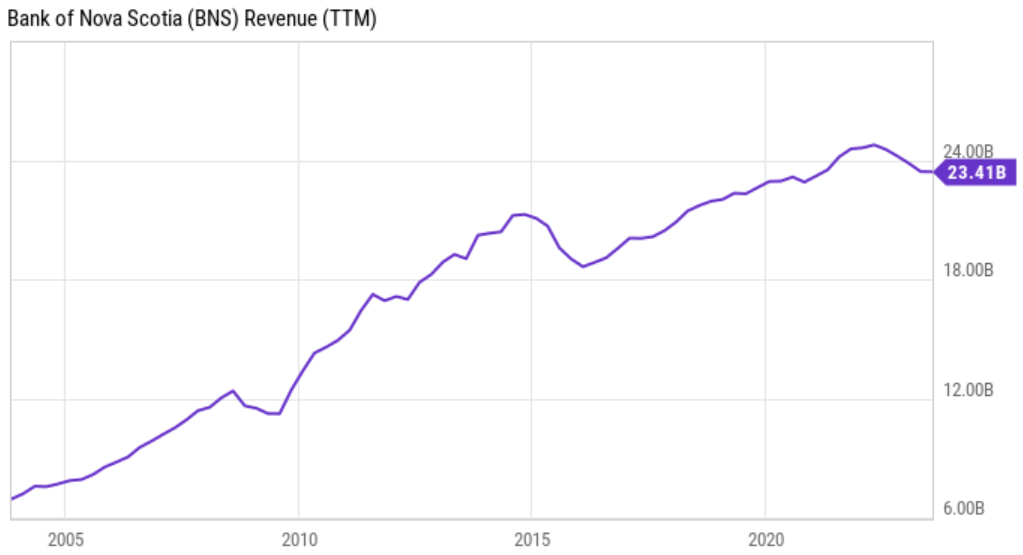
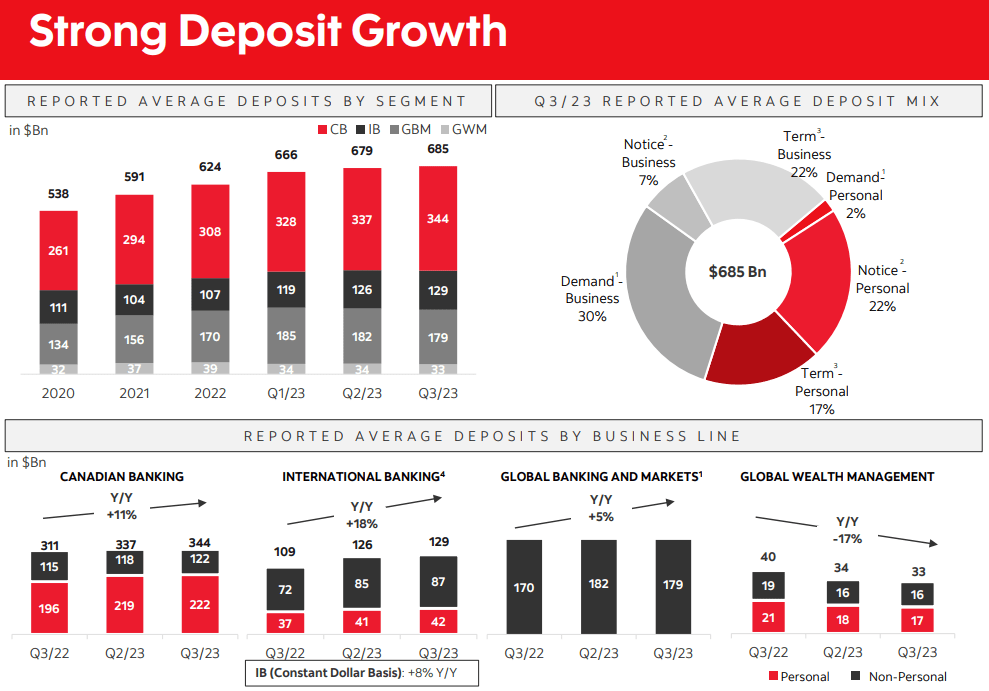
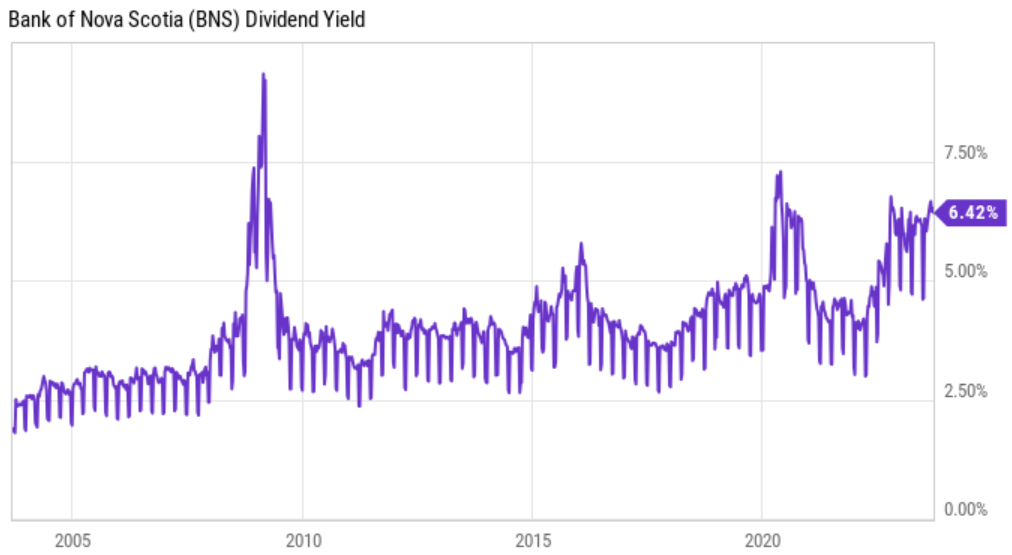
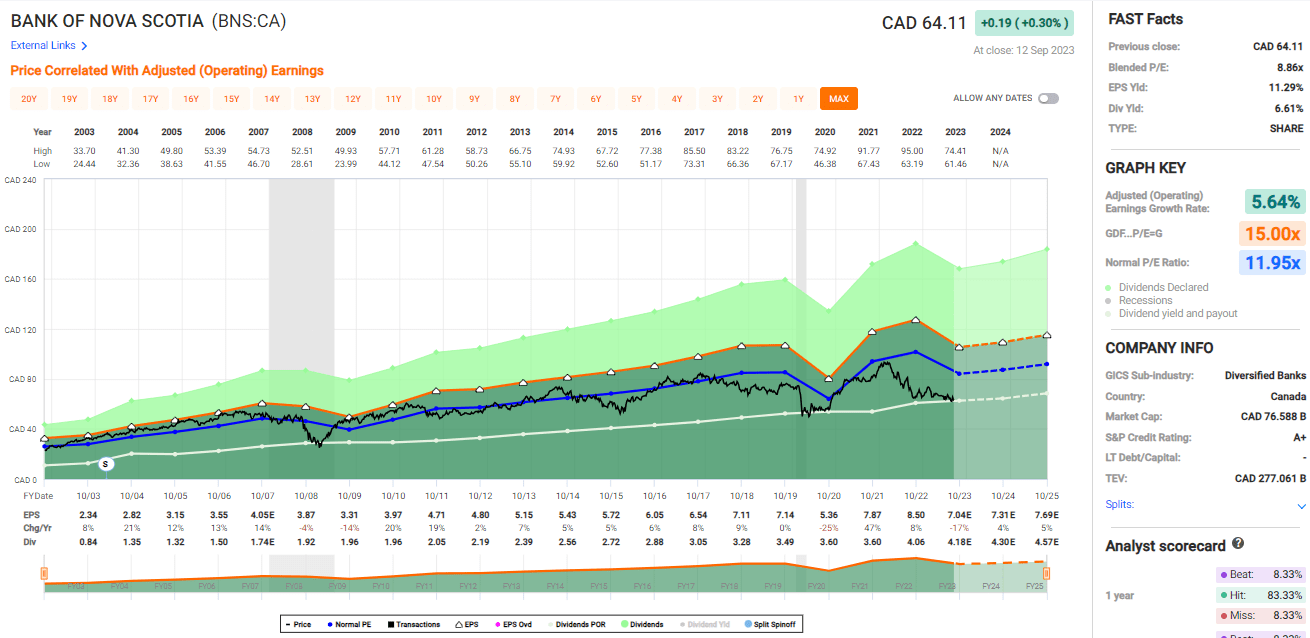
    Sun Life scores well almost across the board for safety and value. B2Gold has the lowest debt, looks good on most measures, and is the only gold name on the list. Northland Power boasts the best earnings momentum, while Cogeco is the least expensive (that is, best value). Both look interesting. Bank of Nova Scotia is the highest yielding but is among the worst performers. Utilities conquer the podium (top three) for least volatile as per beta, and the sector is the most prevalent on the list. Financials would be second.

    Investors should contact an investment professional or conduct further research before buying any of the securities listed here.

  • Shoppers Drug Mart moves away from medical cannabis, will transfer patients to Avicanna

    Shoppers Drug Mart Inc. is moving away from its medical cannabis distribution business and preparing to transfer patients to a platform run by biopharmaceutical company Avicanna Inc AVCN-T +1.33%increase.

    The pharmacy chain owned by Loblaw Companies Ltd. L-T +2.09%increase announced the shift Tuesday, but did not say what prompted the change or how much money Toronto-based Avicanna is paying for Shoppers to refer patients to its MyMedi.ca platform.

    “We are grateful for the trust placed in us by our medical cannabis patients over the past few years, and are confident we’ve found the right partner in Avicanna to continue to support them,” said Jeff Leger, Shoppers’ president, in a statement.

    His company will start to send customers to Avicanna’s platform in early May, with all of the patients set to be off-loaded from Shoppers’ medical pot service by the end of July. Customers will be able to place orders on Shoppers’ website through the transition period.

    Avicanna said it will offer a similar range of products including various formats, brands and “competitive pricing.” Like Shoppers, its online medical portal will strive to educate customers around harm reduction and provide specialty services for distinct patient groups like veterans.

    Shoppers first launched its medical cannabis business in Ontario in January 2019, months after recreational pot was legalized in Canada (medical pot was legalized in Canada in 2001) at a time when many predicted the weed sector would be booming in the coming years.

    The sector has instead struggled with profitability and as high numbers of recreational cannabis shops cluster in several cities, many retailers and licensed producers have had to drop their prices to stay competitive.

    However, Shoppers said it racked up tens of thousands of patients in its four years of existence, providing them with access to cannabis from more than 30 brands including Aphria Inc., Hexo Corp.’s Redecan and the Green Organic Dutchman.

    Shoppers’ medical cannabis patients were required to obtain a prescription from a licensed health care provider such as a doctor to begin ordering pot from the company, which shipped orders to their homes.

    But the company was unhappy with how medical pot regulations limited its model. Shoppers claimed Tuesday that medical cannabis remains the only medication that is not dispensed in pharmacies.

    “As we move away from medical cannabis distribution, we remain firm in our belief that this medication should be dispensed in pharmacies like all others and will continue our advocacy to that end,” said Leger.

    Avicanna’s statement did not outline its feelings on the matters, but its chief executive said it was “motivated” to “put our full efforts toward advancing medical cannabis and its incorporation into the standard of care.”

    “We are thankful to be selected as the partner for this transition and look forward to introducing MyMedi.ca, supporting patients and providing them with continuity of care,” said Avicanna chief executive Aras Azadian in a statement.